

Walton, Kentucky Ghost Stories: A Local Research Guide
Walton ghost stories are often attached to old houses, former businesses, cemeteries, and the historic Gaines property. The stories can be explored as local folklore, but an unidentified “haunted house” should never be treated as a public attraction or evidence of a crime.
Begin with the place, not the claim
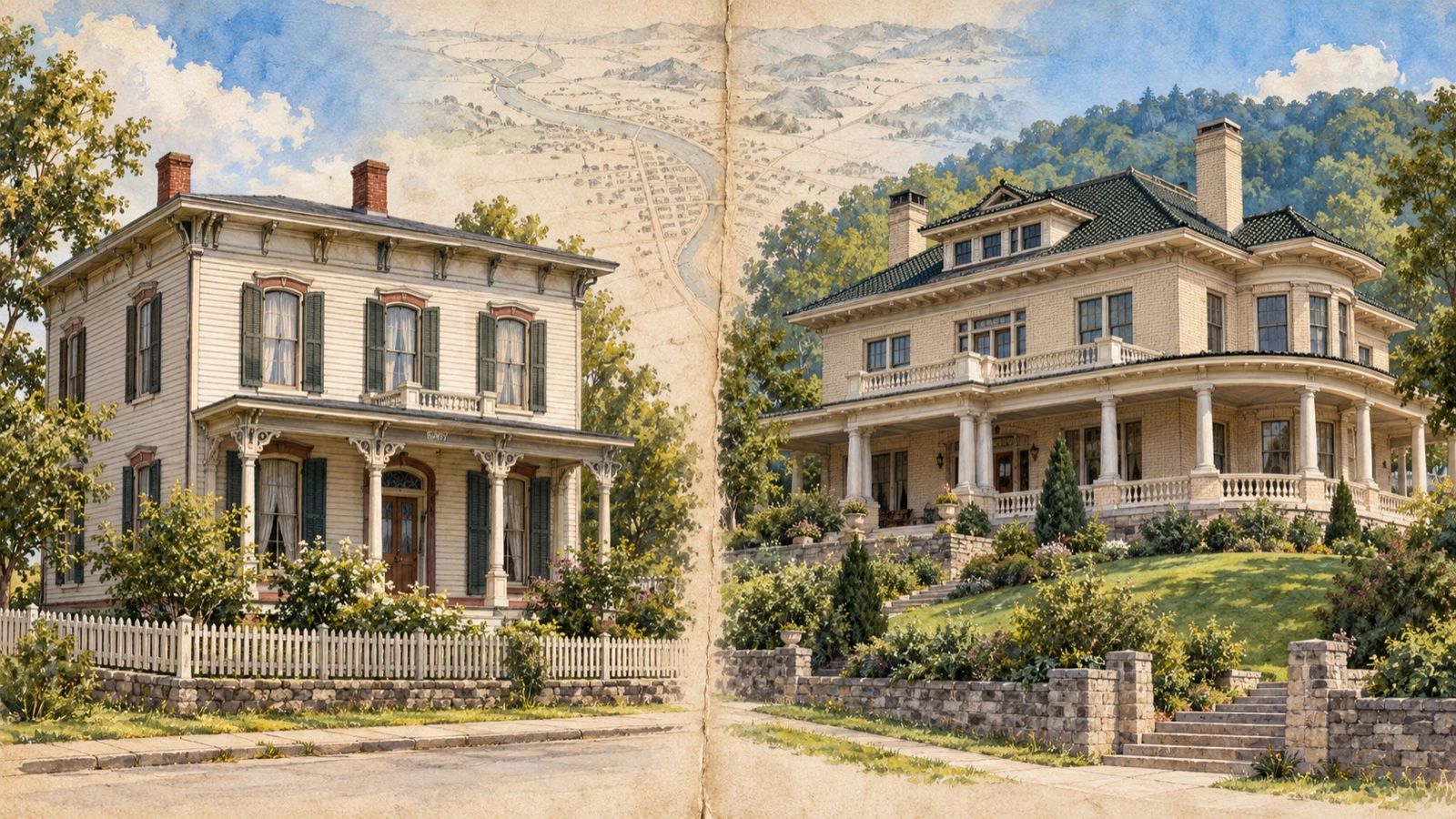
Write down the exact property name, address, approximate date, and person who told the story. Walton developed around transportation routes and was once known as Gaines Crossroads, so older records may use a different place name. City directories, maps, deeds, newspapers, tax records, and photographs can help establish a building’s age and uses. They do not prove a haunting, but they prevent separate properties from being merged into one dramatic account.
The Gaines property and public access
The restored Abner Gaines House is a documented Walton landmark and is interpreted through announced programs. Its history should not be blended with anonymous “murder house” claims. Check the City of Walton and Boone County Historical Society for scheduled public access. A historic designation does not authorize entry at other times, and nearby homes remain private.
Evaluate testimony carefully
A firsthand account should identify who experienced what, when it occurred, and whether the person is willing to be quoted. Separate observation from interpretation: footsteps, a light, or a cold room is the observation; “a ghost caused it” is a conclusion. Later videos and articles may repeat one source, so apparent agreement does not always provide independent confirmation.
Preserve oral history with context
A recorded interview can preserve a story even when the event cannot be verified. Ask open questions, document the interview date, and keep the speaker’s wording separate from editorial explanation. Obtain permission before publishing a name, recording, or transcript. When a story includes another family, consider whether identification adds historical value or merely exposes private people to unwanted attention.
Research without harming residents
Do not post a private address, knock on doors seeking a paranormal interview, enter yards, or encourage nighttime drive-bys. Avoid claims about murder, abuse, or named families unless reliable records support them and publication serves a clear historical purpose. Local history can be engaging without turning residents or deceased people into props.
Before relying on a story
- Identify the exact place, date, and original narrator.
- Check current ownership and public access separately from historical significance.
- Use archives for history and label personal experiences as testimony.
- Do not publish directions to private, dangerous, or fragile locations.
- Recheck event schedules and visitor rules before traveling.
Sources and starting points
About the Author: Kantuckee


